حتى نظام الأسد الهمجي غير قادر على قتل روح الفن الثوري السوري. هنا أشارك العالم ببعض اللوحات المستوحاة من الواقع اليومي الذي يحياه الشعب السوري
Previously entitled "My Café de Flore", this blog has been relaunched as "Havana Café in Damascus" as a tribute to the famous literary cafe established in 1945 in Damascus, where influential artists, poets, novelists and politicians met. The blog still covers everything under the sun including politics, literature, arts, religion, etc. New posts now will be made available in both English and Arabic. Make sure to grab a cup of coffee and enjoy!
Showing posts with label Reflections. Show all posts
Tuesday, July 31, 2012
Art of Revolution, Part 1
Not even the barbaric regime of Assad can kill the spirit of beautiful revolutionary Syrian art. Here I share with the world some images inspired by the reality which the people of Syria call life...
Monday, August 22, 2011
Clouds of fear hang over Mideast bloggers
By David Miller, The Media Line
Arab bloggers have encountered “astounding” levels of intimidation and arrest since the onset of the Arab Spring, but large numbers of them have made it easy for the authorities to find them by failing to take defensive measures to protect their identities, a survey conducted by Harvard University has found.
One third of the 98 bloggers surveyed by Harvard’s Berkman Centre for Internet and Society in May said they had been threatened for their opinions and one fifth reported that their on-line accounts had been hacked.
Almost a tenth of the respondents admitted to being arrested or detained for their on-line activity.
“I’m constantly receiving threats from paramilitary forces, members of Lebanese political parties and anonymous people related to my online support of cyber-dissidents in the region,” Imad Bazzi, a Lebanese activist who blogs at trella.org, told The Media Line.
The Internet has played a key role in the spread of protests this year, with activists bypassing media and communications networks controlled by governments in favour of social media to spread the word of upcoming rallies and report news. The authorities have responded by imposing stricter controls and in some cases shutting down networks entirely.
In Syria, a well-organised effort, known as the Syrian Electronic Army, has been carrying out attacks to disable and compromise websites critical of the regime as mass protests enter their sixth month.
Even countries where protesters have ousted long-time despots, successor governments have been acting to douse critical bloggers. Egyptian Asmaa Mahfouz was arrested and released on bail recently after she was accused of using Facebook and Twitter to defame the Supreme Council of the Armed Forces.
In Tunisia, the government was blamed for a phishing attack against human rights activists in an effort to gain access to their G-mail accounts.
The tough treatment meted out to bloggers was to be expected, according to the Berkman report, which noted that the survey was taken amid a surge of on-line activity spawned by the Arab Spring, and just one of the 98 bloggers surveyed described himself as pro-government.
Nevertheless, researchers said the extent of the crackdown was “astounding.”
The researchers found that Arab bloggers were often unaware of the available security measures to protect their identity. Most bloggers reported choosing an e-mail provider based on design and sharing capabilities rather than its ability to protect their security. The bloggers’ responses revealed that their knowledge and practice of on-line security ranged “from fair to very poor”, the study found.
Asked how they identify themselves on-line, 49% told the Berkman researchers that they used their full name while 47% said they provided an e-mail address and 42% a photograph of themselves. Only 20% rated “resistance to sharing data with your government” as one of the three most important features of a company hosting their blog, the Berkman report showed.
Bazzi says his blog was repeatedly hacked before he received training from international advocacy organisations that taught him how to protect his on-line identity and information.
“Bloggers always learn from their experiences in terms of on-line security,” Bazzi said. “My blog was hacked twice by supporters of political parties who didn’t like what I have to say regarding freedom of expression and human rights in Lebanon.”
Dalia Ziada, an Egyptian blogger and social activist, said that her blog recently earned her an anonymous threat. “A couple of weeks ago I got a threatening message on my mobile phone and I do not know who sent it.”
According to the Berkman Centre, some 35,000 Arabic-language blogs exist on the Internet.
Self-censorship is widely practiced by Arab bloggers. Half of the respondents said they self-censored their on-line content, with many citing fear of retribution from their government as the main reason. Many bloggers opted to write their blog in English, attempting to evade government surveillance.
But Naseem Tarawneh, a Jordanian who blogs in English at The Black Iris, says he feared his compatriots more than the government.
“I do practice self-censorship, but it’s minimal,” Tarawneh told The Media Line. “My fear is less with the government and more with goons and thugs that are busy waving flags out of some sense of pop-nationalism.”
The assault on free speech hasn’t been as bad in Jordan as it is in other Arab countries during the Arab Spring, Tarawneh says, since the Jordanian public was calling for political reform and not a revolution.
However, independent news websites are being gradually limited by new press and publication laws that impose government censorship to their content. Tarawneh says the new laws would likely lead to greater self-censorship on the part of these websites.
“Freedom of speech is typically the first victim on the chopping block when it comes to the Arab Spring,” he said.
Jad Aoun, a Lebanese blogger living in Dubai, says his English-language blog did not cover political issues, but if it did he would probably censor himself.
“With the change in the status quo, anything can happen,” Aoun, who blogs at Lebanon News: Under Rug Swept, told The Media Line. “Regional governments seem to be more focused on social media and are more likely to pounce on any online dissent to pre-empt street action.”
Kal, an American of Syrian and Algerian origin who blogs about North Africa at The Moor Next Door, says he practised self-censorship to a limited degree, “mainly to avoid unnecessary controversy which might provoke spam attacks or the like”.
He says that although never hacked or threatened with violence, he did receive a massive amount of spam from Bahraini e-mail accounts after criticising the government crackdown on protesters on his Twitter account. His blog was also spammed by “Moroccan commenters of obscure origin” who objected to his posts about the country’s control of Western Sahara.
Bazzi, the Lebanese blogger, says he opposed self-censorship in principle.
“I believe I have the right to freely express my ideas and beliefs,” he said. “This is my human and legal right, also guaranteed by the Lebanese law and constitution.”
The anonymity of some Arab bloggers was recently abused, however. In June, American blogger Tom Macmaster admitted to creating the persona of Amina Arraf, a Lesbian Syrian-American blogger, who claimed in a blog that she had been persecuted by Syrian authorities for her sexual orientation, and finally arrested.
Macmaster apologised to his readers for the hoax, but says that “the facts on this blog are true and not misleading as to the situation on the ground”.
The Harvard research concluded that more could be done to protect Middle East bloggers from menacing regimes. They recommended expanding on-line security training efforts, online monitoring of threats, and appealing to Internet providers to better their security options and defaults.
(http://www.gulf-times.com/site/topics/article.asp?cu_no=2&item_no=454054&version=1&template_id=46&parent_id=26)
Arab bloggers have encountered “astounding” levels of intimidation and arrest since the onset of the Arab Spring, but large numbers of them have made it easy for the authorities to find them by failing to take defensive measures to protect their identities, a survey conducted by Harvard University has found.
One third of the 98 bloggers surveyed by Harvard’s Berkman Centre for Internet and Society in May said they had been threatened for their opinions and one fifth reported that their on-line accounts had been hacked.
Almost a tenth of the respondents admitted to being arrested or detained for their on-line activity.
“I’m constantly receiving threats from paramilitary forces, members of Lebanese political parties and anonymous people related to my online support of cyber-dissidents in the region,” Imad Bazzi, a Lebanese activist who blogs at trella.org, told The Media Line.
The Internet has played a key role in the spread of protests this year, with activists bypassing media and communications networks controlled by governments in favour of social media to spread the word of upcoming rallies and report news. The authorities have responded by imposing stricter controls and in some cases shutting down networks entirely.
In Syria, a well-organised effort, known as the Syrian Electronic Army, has been carrying out attacks to disable and compromise websites critical of the regime as mass protests enter their sixth month.
Even countries where protesters have ousted long-time despots, successor governments have been acting to douse critical bloggers. Egyptian Asmaa Mahfouz was arrested and released on bail recently after she was accused of using Facebook and Twitter to defame the Supreme Council of the Armed Forces.
In Tunisia, the government was blamed for a phishing attack against human rights activists in an effort to gain access to their G-mail accounts.
The tough treatment meted out to bloggers was to be expected, according to the Berkman report, which noted that the survey was taken amid a surge of on-line activity spawned by the Arab Spring, and just one of the 98 bloggers surveyed described himself as pro-government.
Nevertheless, researchers said the extent of the crackdown was “astounding.”
The researchers found that Arab bloggers were often unaware of the available security measures to protect their identity. Most bloggers reported choosing an e-mail provider based on design and sharing capabilities rather than its ability to protect their security. The bloggers’ responses revealed that their knowledge and practice of on-line security ranged “from fair to very poor”, the study found.
Asked how they identify themselves on-line, 49% told the Berkman researchers that they used their full name while 47% said they provided an e-mail address and 42% a photograph of themselves. Only 20% rated “resistance to sharing data with your government” as one of the three most important features of a company hosting their blog, the Berkman report showed.
Bazzi says his blog was repeatedly hacked before he received training from international advocacy organisations that taught him how to protect his on-line identity and information.
“Bloggers always learn from their experiences in terms of on-line security,” Bazzi said. “My blog was hacked twice by supporters of political parties who didn’t like what I have to say regarding freedom of expression and human rights in Lebanon.”
Dalia Ziada, an Egyptian blogger and social activist, said that her blog recently earned her an anonymous threat. “A couple of weeks ago I got a threatening message on my mobile phone and I do not know who sent it.”
According to the Berkman Centre, some 35,000 Arabic-language blogs exist on the Internet.
Self-censorship is widely practiced by Arab bloggers. Half of the respondents said they self-censored their on-line content, with many citing fear of retribution from their government as the main reason. Many bloggers opted to write their blog in English, attempting to evade government surveillance.
But Naseem Tarawneh, a Jordanian who blogs in English at The Black Iris, says he feared his compatriots more than the government.
“I do practice self-censorship, but it’s minimal,” Tarawneh told The Media Line. “My fear is less with the government and more with goons and thugs that are busy waving flags out of some sense of pop-nationalism.”
The assault on free speech hasn’t been as bad in Jordan as it is in other Arab countries during the Arab Spring, Tarawneh says, since the Jordanian public was calling for political reform and not a revolution.
However, independent news websites are being gradually limited by new press and publication laws that impose government censorship to their content. Tarawneh says the new laws would likely lead to greater self-censorship on the part of these websites.
“Freedom of speech is typically the first victim on the chopping block when it comes to the Arab Spring,” he said.
Jad Aoun, a Lebanese blogger living in Dubai, says his English-language blog did not cover political issues, but if it did he would probably censor himself.
“With the change in the status quo, anything can happen,” Aoun, who blogs at Lebanon News: Under Rug Swept, told The Media Line. “Regional governments seem to be more focused on social media and are more likely to pounce on any online dissent to pre-empt street action.”
Kal, an American of Syrian and Algerian origin who blogs about North Africa at The Moor Next Door, says he practised self-censorship to a limited degree, “mainly to avoid unnecessary controversy which might provoke spam attacks or the like”.
He says that although never hacked or threatened with violence, he did receive a massive amount of spam from Bahraini e-mail accounts after criticising the government crackdown on protesters on his Twitter account. His blog was also spammed by “Moroccan commenters of obscure origin” who objected to his posts about the country’s control of Western Sahara.
Bazzi, the Lebanese blogger, says he opposed self-censorship in principle.
“I believe I have the right to freely express my ideas and beliefs,” he said. “This is my human and legal right, also guaranteed by the Lebanese law and constitution.”
The anonymity of some Arab bloggers was recently abused, however. In June, American blogger Tom Macmaster admitted to creating the persona of Amina Arraf, a Lesbian Syrian-American blogger, who claimed in a blog that she had been persecuted by Syrian authorities for her sexual orientation, and finally arrested.
Macmaster apologised to his readers for the hoax, but says that “the facts on this blog are true and not misleading as to the situation on the ground”.
The Harvard research concluded that more could be done to protect Middle East bloggers from menacing regimes. They recommended expanding on-line security training efforts, online monitoring of threats, and appealing to Internet providers to better their security options and defaults.
(http://www.gulf-times.com/site/topics/article.asp?cu_no=2&item_no=454054&version=1&template_id=46&parent_id=26)
Monday, June 6, 2011
Most Famous Literary Cafes
Carol Brown from Onlinecollege.org was kind enough to draw my attention to this very interesting article on some of the most famous literary cafes worldwide. Feel free to either read the article below or go to the original link at http://www.onlinecollege.org/2011/04/13/15-most-famous-cafes-in-the-literary-world/
Thanks Carol!
"15 Most Famous Cafes in the Literary World
Some of the most famous novels and literary moments of all time were written and inspired by cafes in Europe. From the American ex-pat writers in Paris to Henrik Ibsen's continental travels, cafes were a place to work while socializing, building stories, and of course, eating and drinking. If you've turned to coffee shops and restaurants to study instead of your room or the library, you'll appreciate the literary significance of these 15 famous cafes.
1. La Rotonde: One of the most famous Parisian cafes during the great American literary ex-pat era is Cafe La Rotonde, which was actually written about in Ernest Hemingway's The Sun Also Rises, although Hemingway's Jake Barnes seems to lament its overwhelming popularity: "No matter what cafe in Montparnasse you ask a taxi-driver to bring you to from the right bank of the river, they always take you to the Rotonde," Hemingway wrote. Gertrude Stein, F. Scott Fitzgerald and T.S. Eliot were also patrons there.
2. Le Dome Cafe: The very next line in Hemingway's quote above is, "Ten years from now it will probably be the Dome." Le Dome Cafe in Montparnasse in Paris was actually the first major cafe in that area to attract ex-pats and intellectuals. La Rotonde, Le Select and La Coupole were its competitors, but the Dome is now a more established seafood restaurant, no longer catering to up-and-coming artists and writers.
3. The Literary Cafe: St. Petersburg's Literary Cafe supposedly entertained many top Russian writers, including Chernyshevsky and Dostoevsky, and is said to be the last cafe that poet Alexander Pushkin visited before dying in a duel.
4. Les Deux Magots: Now a popular tourist spot, Les Deux Magots is known as Hemingway's favorite spot in Paris. But the St. Germain-des-Pres cafe also served many other legendary writers and artists, including Rimbaud, Simone de Beauvoir, André Gide, Jean Giraudoux, Jean Paul Sartre, and even Picasso. It's one of the oldest cafes in Paris, and pays tribute to its old but polished heritage in its current design and character (though is most likely more expensive than it was in Hemingway's day).
5. Cafe Braunerhof: Like Paris, Vienna is a city dotted with cafes, many of which were home to famous writers, artists and intellectuals. The Cafe Braunerhof located near the Habsburg city palace is said to be lauded writer Thomas Bernhard's favorite spot, and where we worked on some of the most important works in the German-speaking world after WWII.
6. Cafe de Flore: Now a popular hang-out among the fashion set and other glamorous types, Cafe de Flore — principal rival to Les Deux Magots — was another office for Hemingway and his contemporaries. In 1994, Cafe de Flore began handing out its own annual literary prize — the Prix de Flore — to promising young authors of French-language literature. Besides a cash prize, the winner gets to drink a glass of the white wine Pouilly-Fume at the cafe every day for a year.
7. Dingo Bar: Now the restaurant Auberge de Venise, the Dingo Bar was another Montparnasse staple that opened in 1923 and catered to English and American ex-pats in Paris, like writer Djuna Barnes and publishing house owner Nancy Cunard. It's also the spot where Hemingway and F. Scott Fitzgerald met for the first time.
8. Cafe Montmartre: This cafe is actually located in Prague and was sometimes called by its nickname, Montik, or The Monty. Some of the most important writers from Germany and Czechoslovakia — like Franz Kafka, Eduard Bass and Max Brod — all came here.
9. Pedrocchi Cafe: Padua's Pedrocchi Cafe is one of the biggest cafes in the world and was known as a favorite hang-out for Lord Byron and French writer Stendhal.
10. Harry's New York Bar: Actually located in Paris, Harry's New York Bar was named for its early manager, a Scotsman. It opened in 1911, and Harry was supposedly responsible for making it a legitimate ex-pat cafe during the next decade, attracting Sinclair Lewis, Humphrey Bogart, Hemingway, and others. Side tip: Harry's New York Bar is also where the Bloody Mary was first concocted.
11. Antico Caffe Greco: Situated near the Spanish Steps in a very posh area of Rome, the Antico Caffe Greco — founded in 1760 — is also the city's most famous. Over the past centuries, writers like Lord Byron, John Keats, Henrik Ibsen and Hans Christian Andersen became patrons.
12. La Coupole: La Coupole is another historical Montparnasse cafe, which opened in 1927, soon after Le Select, and aimed to compete against Le Dome for the expat intellectual clientele. The massive cafe could seat 600 people, including famous guests like Simone de Beauvoir and Jean Paul Sartre. La Coupole is now an official historic monument.
13. La Closerie des Lilas: Also situated in Paris' Montparnasse is La Closerie, which opened in 1847 and attracted everyone from Henry James to Leon Trotsky to Gertrude Stein and Hemingway, who references nearby statues and descriptions in The Sun Also Rises.
14. Caffe Giubbe Rosse: One of Florence's most famous cafes is Caffe Giubbe Rosse, named for Garibaldi's Red Shirts, and also inspiration for the waiters' uniforms. Celebrated for its role in producing the Futurist movement, Caffe Giubbe Rosse was also a favored spot for many notable Italian poets.
15. Grand Cafe: The Grand Hotel in Oslo is home to the Grand Cafe, a famous restaurant and meet-up. It's where the Nobel Peace Prize banquet is held each year, and is said to be the daily lunch spot of Henrik Ibsen. Roald Dahl also stayed at the hotel during his youth. "
(Image: Sartre and de Beauvoir at the Café de Flore)
Thanks Carol!
"15 Most Famous Cafes in the Literary World
Some of the most famous novels and literary moments of all time were written and inspired by cafes in Europe. From the American ex-pat writers in Paris to Henrik Ibsen's continental travels, cafes were a place to work while socializing, building stories, and of course, eating and drinking. If you've turned to coffee shops and restaurants to study instead of your room or the library, you'll appreciate the literary significance of these 15 famous cafes.
1. La Rotonde: One of the most famous Parisian cafes during the great American literary ex-pat era is Cafe La Rotonde, which was actually written about in Ernest Hemingway's The Sun Also Rises, although Hemingway's Jake Barnes seems to lament its overwhelming popularity: "No matter what cafe in Montparnasse you ask a taxi-driver to bring you to from the right bank of the river, they always take you to the Rotonde," Hemingway wrote. Gertrude Stein, F. Scott Fitzgerald and T.S. Eliot were also patrons there.
2. Le Dome Cafe: The very next line in Hemingway's quote above is, "Ten years from now it will probably be the Dome." Le Dome Cafe in Montparnasse in Paris was actually the first major cafe in that area to attract ex-pats and intellectuals. La Rotonde, Le Select and La Coupole were its competitors, but the Dome is now a more established seafood restaurant, no longer catering to up-and-coming artists and writers.
3. The Literary Cafe: St. Petersburg's Literary Cafe supposedly entertained many top Russian writers, including Chernyshevsky and Dostoevsky, and is said to be the last cafe that poet Alexander Pushkin visited before dying in a duel.
4. Les Deux Magots: Now a popular tourist spot, Les Deux Magots is known as Hemingway's favorite spot in Paris. But the St. Germain-des-Pres cafe also served many other legendary writers and artists, including Rimbaud, Simone de Beauvoir, André Gide, Jean Giraudoux, Jean Paul Sartre, and even Picasso. It's one of the oldest cafes in Paris, and pays tribute to its old but polished heritage in its current design and character (though is most likely more expensive than it was in Hemingway's day).
5. Cafe Braunerhof: Like Paris, Vienna is a city dotted with cafes, many of which were home to famous writers, artists and intellectuals. The Cafe Braunerhof located near the Habsburg city palace is said to be lauded writer Thomas Bernhard's favorite spot, and where we worked on some of the most important works in the German-speaking world after WWII.
6. Cafe de Flore: Now a popular hang-out among the fashion set and other glamorous types, Cafe de Flore — principal rival to Les Deux Magots — was another office for Hemingway and his contemporaries. In 1994, Cafe de Flore began handing out its own annual literary prize — the Prix de Flore — to promising young authors of French-language literature. Besides a cash prize, the winner gets to drink a glass of the white wine Pouilly-Fume at the cafe every day for a year.
7. Dingo Bar: Now the restaurant Auberge de Venise, the Dingo Bar was another Montparnasse staple that opened in 1923 and catered to English and American ex-pats in Paris, like writer Djuna Barnes and publishing house owner Nancy Cunard. It's also the spot where Hemingway and F. Scott Fitzgerald met for the first time.
8. Cafe Montmartre: This cafe is actually located in Prague and was sometimes called by its nickname, Montik, or The Monty. Some of the most important writers from Germany and Czechoslovakia — like Franz Kafka, Eduard Bass and Max Brod — all came here.
9. Pedrocchi Cafe: Padua's Pedrocchi Cafe is one of the biggest cafes in the world and was known as a favorite hang-out for Lord Byron and French writer Stendhal.
10. Harry's New York Bar: Actually located in Paris, Harry's New York Bar was named for its early manager, a Scotsman. It opened in 1911, and Harry was supposedly responsible for making it a legitimate ex-pat cafe during the next decade, attracting Sinclair Lewis, Humphrey Bogart, Hemingway, and others. Side tip: Harry's New York Bar is also where the Bloody Mary was first concocted.
11. Antico Caffe Greco: Situated near the Spanish Steps in a very posh area of Rome, the Antico Caffe Greco — founded in 1760 — is also the city's most famous. Over the past centuries, writers like Lord Byron, John Keats, Henrik Ibsen and Hans Christian Andersen became patrons.
12. La Coupole: La Coupole is another historical Montparnasse cafe, which opened in 1927, soon after Le Select, and aimed to compete against Le Dome for the expat intellectual clientele. The massive cafe could seat 600 people, including famous guests like Simone de Beauvoir and Jean Paul Sartre. La Coupole is now an official historic monument.
13. La Closerie des Lilas: Also situated in Paris' Montparnasse is La Closerie, which opened in 1847 and attracted everyone from Henry James to Leon Trotsky to Gertrude Stein and Hemingway, who references nearby statues and descriptions in The Sun Also Rises.
14. Caffe Giubbe Rosse: One of Florence's most famous cafes is Caffe Giubbe Rosse, named for Garibaldi's Red Shirts, and also inspiration for the waiters' uniforms. Celebrated for its role in producing the Futurist movement, Caffe Giubbe Rosse was also a favored spot for many notable Italian poets.
15. Grand Cafe: The Grand Hotel in Oslo is home to the Grand Cafe, a famous restaurant and meet-up. It's where the Nobel Peace Prize banquet is held each year, and is said to be the daily lunch spot of Henrik Ibsen. Roald Dahl also stayed at the hotel during his youth. "
(Image: Sartre and de Beauvoir at the Café de Flore)
Friday, May 20, 2011
Back to the Beginning!
This week I would like to share an insightful article prepared by Ausama Monajed and others in association with the Strategic Research and Communication Centre. For the full article and more details, click here
"Back to the Beginning!
As Assad forces continue to seek salvation through bloodletting, protesters rely on sheer defiance and continued commitment to nonviolence, managing to reenergize their 9-weeks long movement.
44 dead and dozens wounded in the largest day of protest yet, with death toll expected to rise as more communities send their reports on Azzadi Friday (Azzadi in Kurdish means "Freedom").
Damascus & Suburbs, Hama & Suburbs, Homs & Suburbs, Idlib & Suburbs, Deraa & Suburbs, Alboukamal, Deir Ezzor, Raqqah, Qamishly, Amudeh, Kobani Banyas and Jableh among others, all took part in the protests.
With so many dead today despite all international pressures and sanctions, it’s clear that the Assads won’t go gently into that good night, but since the protesters are foolhardy enough to keep taking to the streets to die for the cause, the choice facing world leaders is how much bloodshed will be enough before they act.
We might call it the Obama Effect: those who felt the American President’s speech as being too light on Assad felt angered and expressed their frustration by taking to the streets, and those who felt it was just right for now, having raised the possibility of Assad’s departure, have also taken to the streets feeling that the momentum is back on their side.
This is at least one explanation for the mass turnout today. But even if true, the Obama Effect is just one factor here, a marginal one even. The reality is: the protesters were reacting to repeated assertions by Syrian officials over the last two weeks that their movement has lost steam and that the authorities have regained the upper-hand. They were also reacting to the statements by Bashar Al-Assad’s cousin, Rami Makhlouf that struck a raw nerve with Syrians by stressing the family-based nature of the regime and the willingness of the Assads to do whatever it takes to hang on to power.
Now it’s all about the Assads. The masks are off. Rami’s statements about Israeli security rendered all talk about resistance ideology rather meaningless. Even security officers are now order to chant for “Abu Hafiz” during their clashes with protesters. Abu Hafiz is Bashar’s traditional nickname and refers to the name of both his late father and his eldest son. The point is to say that Bashar will rule until his death and will be followed by his son. A pro-regime graffiti left on the walls of a Homs community by security officers even state “Bashar is our King.”
Forget about reforms then: the choice this is about Assad forever or Assad never. Whatever “reforms” Assad will be willing to entertain can never challenge his or his family’s hold on power, which is a complete anathema to the protesters. The resulting stalemate means more violence will continue to take place on a daily basis throughout the country, for the foreseeable future and until such time that army leadership begins cracking under pressure, with some changing their loyalties to the side of the protesters. Naturally, sectarian faultiness will figure highly in this. The ability of Syrian opposition forces to project an alternative that can be embraced by grassroots protest leaders and the international community will facilitate the adoption of a more proactive response by the international community, pushing leaders like President Obama into making clear-cut calls on Assad to leave or face certain dire consequences."
Painting by M.C. Escher
"Back to the Beginning!
As Assad forces continue to seek salvation through bloodletting, protesters rely on sheer defiance and continued commitment to nonviolence, managing to reenergize their 9-weeks long movement.
44 dead and dozens wounded in the largest day of protest yet, with death toll expected to rise as more communities send their reports on Azzadi Friday (Azzadi in Kurdish means "Freedom").
Damascus & Suburbs, Hama & Suburbs, Homs & Suburbs, Idlib & Suburbs, Deraa & Suburbs, Alboukamal, Deir Ezzor, Raqqah, Qamishly, Amudeh, Kobani Banyas and Jableh among others, all took part in the protests.
With so many dead today despite all international pressures and sanctions, it’s clear that the Assads won’t go gently into that good night, but since the protesters are foolhardy enough to keep taking to the streets to die for the cause, the choice facing world leaders is how much bloodshed will be enough before they act.
We might call it the Obama Effect: those who felt the American President’s speech as being too light on Assad felt angered and expressed their frustration by taking to the streets, and those who felt it was just right for now, having raised the possibility of Assad’s departure, have also taken to the streets feeling that the momentum is back on their side.
This is at least one explanation for the mass turnout today. But even if true, the Obama Effect is just one factor here, a marginal one even. The reality is: the protesters were reacting to repeated assertions by Syrian officials over the last two weeks that their movement has lost steam and that the authorities have regained the upper-hand. They were also reacting to the statements by Bashar Al-Assad’s cousin, Rami Makhlouf that struck a raw nerve with Syrians by stressing the family-based nature of the regime and the willingness of the Assads to do whatever it takes to hang on to power.
Now it’s all about the Assads. The masks are off. Rami’s statements about Israeli security rendered all talk about resistance ideology rather meaningless. Even security officers are now order to chant for “Abu Hafiz” during their clashes with protesters. Abu Hafiz is Bashar’s traditional nickname and refers to the name of both his late father and his eldest son. The point is to say that Bashar will rule until his death and will be followed by his son. A pro-regime graffiti left on the walls of a Homs community by security officers even state “Bashar is our King.”
Forget about reforms then: the choice this is about Assad forever or Assad never. Whatever “reforms” Assad will be willing to entertain can never challenge his or his family’s hold on power, which is a complete anathema to the protesters. The resulting stalemate means more violence will continue to take place on a daily basis throughout the country, for the foreseeable future and until such time that army leadership begins cracking under pressure, with some changing their loyalties to the side of the protesters. Naturally, sectarian faultiness will figure highly in this. The ability of Syrian opposition forces to project an alternative that can be embraced by grassroots protest leaders and the international community will facilitate the adoption of a more proactive response by the international community, pushing leaders like President Obama into making clear-cut calls on Assad to leave or face certain dire consequences."
Painting by M.C. Escher
Saturday, May 7, 2011
It's Time Every Day Became a Friday!
Since the Syrian protests began, numerous academics, experts, etc. have tried their best to synthesize neat and objective analysis on the current situation. Here, I feel the need to voice my personal views on what's going on in the country of my childhood.
I must admit that when the Tunisian and Egyptian protests first started, I supported the idea of Syrian reforms without a radical change in leadership for fear of ensuing chaos. I still had faith in the leadership at that time. Now, however, I find it extremely difficult to respect a regime that readily crushes anyone who dares to voice views different from those dictated by it. In addition to the continuous oppression carried out by the regime against its people, the country has lost signigicant prospects for investment that would've greatly helped alleviate standards of living. The strategy adapted by the government does nothing but drain the country of its current and future resources and potential. It has truly turned into a malignant tumor that needs to be excised before it cosnumes its host.
What's remarkable, however, is the lukewarm international and Arab reaction towards the atrocities committed by the Syrian government. Some have attributed the delayed condemnation either to fear of regional instability or strategic alliances. Regardless of reasons, one fact remains true: a Syrian soul is worth as much as a Libyan one. Until the international community realizes that, the opposition will have to rely on themselves and probably the moral support from opposition outside the country. Radical reforms will not truly take place unless protests are revved up every day into the full throttle mode of those occuring on Fridays.
Click here for a progress report on the protests: http://www.icontact-archive.com/Bm8lHV2mhxCcOgrfaR4ODIflgRJg1oPy?w=3
(Painting: the Guernica by Pablo Picasso)
Saturday, April 23, 2011
Syria at a Crossroads...
Today marks the 40th day since protests erupted in Syria. While they started sporadically and reluctantly as if testing the water, the protests have gained momentum by day reaching a peak yesterday after Friday prayers leading to the death of 88 civilians according to some news sources. The government's tactics in responding to the protestors seems to indicate a muddled decision-making process and absence of centralized authority. The responses have varied between media blackout, concessions, and violent crackdown. Similar desperate measures are reminiscent of the last days of Mubarak. But, unlike Egypt, Syria's army falls under the president's command, which could mean an extensive draining battle before Syrians are finally able to draw the curtains on an era of repression. Another noteworthy factor is the fate of other dictators in the region, namely Libya's Gaddafi and Yemen's Saleh, which ultimately impact the protestors' morale. Toppling neighboring dictators previously had the effect of emboldening protestors and reinvigorating their stance.
While it is still very early to judge how the events will unfold during these crucial moments, it is inarguable that these are historic times for the country ...
(Picture: historical city of Bosra in southern Syria)
While it is still very early to judge how the events will unfold during these crucial moments, it is inarguable that these are historic times for the country ...
(Picture: historical city of Bosra in southern Syria)
Wednesday, April 13, 2011
On Opposition...
Since my previous post was about a much-anticipated but lagging Syrian revolution, I thought it was only fair to share some updates from the Syrian opposition. The following link shows footages of protestors from various parts of the country, collected in association with the UK-based Strategic Research and Communication Centre: http://www.icontact-archive.com/Bm8lHV2mhxCcOgrfaR4ODDF-0-Edh3VG?w=3
In spite of the sporadic protests, I still think that a major unified revolution has not yet taken place and is unlikely to happen in the near future, unless radical internal structural shifts or external interference take place.
As a matter of fact, the majority of Damascenes I have talked to report the continuation of normal daily activities, dismissing the news about the protests as "conspiracy theories aimed at national solidarity".
Here, I would really like to say a few things about opposition gorups. Regardless of the end results it achieves, the existence of opposition in any self-respecting constitutional regime is as vital as the presnce of the government in power itself. Call it the Yin and Yang of politics, if you will. Opposition ensures that powers are kept in check and that a healthy civil discussion is maintained. Most important, "opposition" is neither synonymous with "unpatriotism" nor "sectarianism". And while I do not generally support a power vacuum, I certainly can not give my voice to any institution that readily labels anyone seeking imporovement as an unpatriotic agent.
In spite of the sporadic protests, I still think that a major unified revolution has not yet taken place and is unlikely to happen in the near future, unless radical internal structural shifts or external interference take place.
As a matter of fact, the majority of Damascenes I have talked to report the continuation of normal daily activities, dismissing the news about the protests as "conspiracy theories aimed at national solidarity".
Here, I would really like to say a few things about opposition gorups. Regardless of the end results it achieves, the existence of opposition in any self-respecting constitutional regime is as vital as the presnce of the government in power itself. Call it the Yin and Yang of politics, if you will. Opposition ensures that powers are kept in check and that a healthy civil discussion is maintained. Most important, "opposition" is neither synonymous with "unpatriotism" nor "sectarianism". And while I do not generally support a power vacuum, I certainly can not give my voice to any institution that readily labels anyone seeking imporovement as an unpatriotic agent.
Thursday, March 17, 2011
Why Al Tahrir Square in Damascus Remains Empty?
Democracy is like a dish of Spaghetti Napolitana: it’s messy and goes in unpredictable directions. This is especially true about the Middle East region. The difficulty of reaching a consensus government after a number of autocratic regimes have been recently toppled illustrate that democracy is by no means a natural smooth process. A long history of colonialism followed by despotic regimes, in addition to sectarian divisions and high levels of unemployment, to name but a few factors, are among the challenges facing democracy in this region.
Syrians are intuitively aware of this. Add the fact that the country still lives a recent memory of a severely-crashed attempted coup in the city of Hama in 1982 resulting in the death of thousands, then it comes as no surprise that many are reluctant to follow the lead of their Arab brethren. In spite of a small demonstration that sprouted in front of the Ministry of Interior in Damascus a couple of days ago, it is unlikely that the majority of the people will support an upheaval against the current government. An English proverb says it best: better the devil you know than the devil you don’t.
(Picture: Al Tahrir Square, Damascus)
Syrians are intuitively aware of this. Add the fact that the country still lives a recent memory of a severely-crashed attempted coup in the city of Hama in 1982 resulting in the death of thousands, then it comes as no surprise that many are reluctant to follow the lead of their Arab brethren. In spite of a small demonstration that sprouted in front of the Ministry of Interior in Damascus a couple of days ago, it is unlikely that the majority of the people will support an upheaval against the current government. An English proverb says it best: better the devil you know than the devil you don’t.
(Picture: Al Tahrir Square, Damascus)
Sunday, December 19, 2010
In Pursuit of Happiness
For the first time in my life, I’m actually happy. I’m not talking about this particular moment or even this particular day. But I’m finally at peace with my beliefs and worldview. For the first time, it all makes sense and does not feel eerily imposed. Most important, I’m free of guilt! You know how certain worldviews perpetuate a hammering voice in the back of your head that continuously nags "you’re not doing enough, you're not doing enough, you're not doing enough"....you get the point. Well, I simply clicked the ‘mute’ button. Any worldview that promises harmony and eternal happiness shouldn’t make you miserable by reminding you of the very essence of your being – the fact that you’re a mortal, limited, sin-prone human being.
Some might ask “well, why not simply put a little more effort into it?”. Who said I didn’t? But even then, I didn’t feel any better than I would banging my head against a wall and feeling a little faint afterwards. Some would describe that feeling as transcending and mystical. I would describe it as “Ouch!”. Thank you very much, but I would take level-headedness at any time any day.
Now I can finally focus on putting my effort on what really matters like getting that dream job, and spending more time with the people I care about.
That being said, who’s up for a trip to the beach?
Some might ask “well, why not simply put a little more effort into it?”. Who said I didn’t? But even then, I didn’t feel any better than I would banging my head against a wall and feeling a little faint afterwards. Some would describe that feeling as transcending and mystical. I would describe it as “Ouch!”. Thank you very much, but I would take level-headedness at any time any day.
Now I can finally focus on putting my effort on what really matters like getting that dream job, and spending more time with the people I care about.
That being said, who’s up for a trip to the beach?
Saturday, December 11, 2010
Saturday, September 25, 2010
A Godless Game Theory
Anyways, I can think of another field that might come in handy in explaining why the lack of belief in a supernatural power overseeing every movement and every thought does not necessarily equate primitive immoral behavior: Economics. As unlikely as it might first seem, I think that the concept of “Game Theory” provides an excellent explanation. Game theory is a mathematical tool applied in business economics to study the interaction of a number of firms in different situations. The theory basically concludes that firms who know that they are likely to interact frequently with each other on the long run tend to be more cooperative rather than aggressive towards each other.
On a personal level, if you know you’re going to be seeing your neighbor, for example, for a number of years to come, you’re more likely to act politely towards them. You know it’d make your life miserable to do otherwise. The same idea applies to wider circles. When a person earns a reputation in a community for being particularly nasty, it really just makes everything more complicated for that person. Ergo, no matter what you believe -or don't believe- in, living a decent moral life is pretty much the way to go.
Friday, June 11, 2010
The Intuitive Belief Fallacy
I am often told, especially by followers of monotheistic religions, that religion X, for example, is so clearly the right and only belief system. This is so to the degree that any person with average intellectual capabilities should reach such conclusion with the aid of a little contemplation. Assuming that this is the case then everyone should automatically and intuitively become a follower of the said religion, unless he/she falls under one of the two categories:1. He/she is created and made incredibly stupid so as to be incapable of perceiving such truth.
2. He/she is not stupid per se, but is not guided to the right path for whatever divine scheme.
Both cases are clearly a result of divine intervention for which man or woman cannot possibly be held responsible. So if humans exist on this planet today due to intelligent design, I’m sure that the designer is intelligent enough to know how bad they’ve messed up some of their “createes” and excuse them for their condition.
(Painting by Jibran Khalil Jibran)
Friday, May 21, 2010
Women Rights between Islam and the UN: a Conflict or an Opportunity?
Human rights under the UN are divided into two categories or generations: civil and political rights (CPR) comprise the first generation, while economic, social and cultural rights (ESCR) comprise the second. Another, albeit much older, institution that ventured into human rights is Islam. It is often argued that Islam is one of the pioneering institutions to grant women equitable rights compared to their male counterparts. These rights cover a variety of aspects such as, inter alia, the right to property, right to a consensual marriage, and the right to education. While Islam indeed achieved a breakthrough by alleviating women’s status in society, most of the rights it granted fall within the category of economic, social, and cultural rights (ESCR), leaving women with very limited entitlement to civil and political rights (CPR). Muslim women today, both in theory and in practice, remain largely excluded from positions of leadership and full participation in the public political arena. To give but one example, many fundamentalists whole-heartedly believe and argue that any nation led by a woman is doomed to a fate of failure.
It could be argued that the type of rights granted to women when Islam first evolved is directly related to the type of roles women assumed in that period. With the exception of a few privileged women, pre-Islamic Arabia was intellectually, politically, and economically dominated by men, while women were restricted to the private sphere. As a result, the new doctrine of Islam focused on empowering women within the private sphere they already occupied by granting them the aforementioned ESCR. However, an examination of Muslim women’s ESCR today shows that even the ideals prescribed in the texts lack proper implementation on the ground, partly because they have fallen prey to centuries of patriarchal understanding of the texts. An additional reason why ESCR of Muslim women lack the proper implementation is the close relationship between them and the missing CPR. According to the Human Development Report 2000, ESCR and CPR are closely interrelated as the former cannot be exercised without guaranteeing the latter category. The result, therefore, is that one category of rights (CPR) is virtually nonexistent, while the other category (ESCR) remains confined to the pages of sacred books.
This legacy has placed women in the backseats of development, rendering them passive and unproductive. Consequentially, women have missed invaluable opportunities of applying their intellectual and physical abilities in bettering themselves and the societies they live in. How can this situation be remedied? Given the current state of affairs, the demands of a swiftly-changing modern age in addition to the need for full realization of ESCR both apply pressure on the need to revolutionize Muslim women’s CPR. But how could this possibly be done when the doctrine in question is about 1500 years old? This is where the importance of the concept of “gradualism” arises. The Islamic ideology is based on the idea of gradual change that allows Islam to remain relevant to its adherents regardless of time and place by implementing flexible modes of jurisprudence. Moreover, history is witness to the fact that intellectual tides are consequentially followed by the appropriate changes in traditions and practices of a society, including Muslim societies. Therefore, it is necessary to acknowledge the concept that CPR, which will lead to the inevitable achievement of ESCR, can occur by empowering women as agents of change rather than rendering them no more than passive recipients of welfare.
In spite of the fact that different generations and categories of human rights are relatively modern concepts, Islam has the necessary tools to utilize them for the purpose of improving women’s status which will ultimately contribute to the overall betterment of societies worldwide.
It could be argued that the type of rights granted to women when Islam first evolved is directly related to the type of roles women assumed in that period. With the exception of a few privileged women, pre-Islamic Arabia was intellectually, politically, and economically dominated by men, while women were restricted to the private sphere. As a result, the new doctrine of Islam focused on empowering women within the private sphere they already occupied by granting them the aforementioned ESCR. However, an examination of Muslim women’s ESCR today shows that even the ideals prescribed in the texts lack proper implementation on the ground, partly because they have fallen prey to centuries of patriarchal understanding of the texts. An additional reason why ESCR of Muslim women lack the proper implementation is the close relationship between them and the missing CPR. According to the Human Development Report 2000, ESCR and CPR are closely interrelated as the former cannot be exercised without guaranteeing the latter category. The result, therefore, is that one category of rights (CPR) is virtually nonexistent, while the other category (ESCR) remains confined to the pages of sacred books.
This legacy has placed women in the backseats of development, rendering them passive and unproductive. Consequentially, women have missed invaluable opportunities of applying their intellectual and physical abilities in bettering themselves and the societies they live in. How can this situation be remedied? Given the current state of affairs, the demands of a swiftly-changing modern age in addition to the need for full realization of ESCR both apply pressure on the need to revolutionize Muslim women’s CPR. But how could this possibly be done when the doctrine in question is about 1500 years old? This is where the importance of the concept of “gradualism” arises. The Islamic ideology is based on the idea of gradual change that allows Islam to remain relevant to its adherents regardless of time and place by implementing flexible modes of jurisprudence. Moreover, history is witness to the fact that intellectual tides are consequentially followed by the appropriate changes in traditions and practices of a society, including Muslim societies. Therefore, it is necessary to acknowledge the concept that CPR, which will lead to the inevitable achievement of ESCR, can occur by empowering women as agents of change rather than rendering them no more than passive recipients of welfare.
In spite of the fact that different generations and categories of human rights are relatively modern concepts, Islam has the necessary tools to utilize them for the purpose of improving women’s status which will ultimately contribute to the overall betterment of societies worldwide.
(Image by Hamed Saber
Available at: http://commons.wikimedia.org/wiki/File:Bandari_Burqa.jpg )
Monday, March 29, 2010
A Right to Euthanasia?
Reading the Committee on Economic, Social, and Cultural Rights in its General Comment No. 14 (2000) regarding the right to health, I found the following statement that older persons have the right to health measures that include “sparing them avoidable pain and enabling them to die with dignity”. While the Comment does not delve into details regarding which kinds of measures are acceptable and which are not, the notion of “dying with dignity” does bring to mind the controversial question of euthanasia. Of course it is important to note here that Euthanasia is not constricted to older people but could also be applied to terminally-ill people of all ages.
While a number of liberal European countries have already legalised the practice with the assistance of a board of experts to decide on each case before granting permission to shortening a patient’s life, this is probably not going to be the case any time soon when it comes to more conservative and religion-based governments where the question, unfortunately, does not even get the chance of reaching an objective platform of debate.
While I do not particularly advocate the use of euthanasia, otherwise known as “mercy killing”, I think it is significant to open channels of discussion on this topic because of its direct effects on countless patients suffering out there. The WHO acknowledges that every person has a right to “a state of complete physical mental and social well being and not merely the absence of disease or infirmity”. So doesn’t this topic deserve an objective debate based on a human-rights approach?
While a number of liberal European countries have already legalised the practice with the assistance of a board of experts to decide on each case before granting permission to shortening a patient’s life, this is probably not going to be the case any time soon when it comes to more conservative and religion-based governments where the question, unfortunately, does not even get the chance of reaching an objective platform of debate.
While I do not particularly advocate the use of euthanasia, otherwise known as “mercy killing”, I think it is significant to open channels of discussion on this topic because of its direct effects on countless patients suffering out there. The WHO acknowledges that every person has a right to “a state of complete physical mental and social well being and not merely the absence of disease or infirmity”. So doesn’t this topic deserve an objective debate based on a human-rights approach?
(Painting by Jibran Khalil Jibran)
Saturday, February 13, 2010
The Precarious Relationship between Economic Development and Human Rights in Emerging Markets: The Example of Qatar
A recent study by the Economist estimates that Qatar will lead economic growth in 2010 with a growth rate of about 25%. The country definitely continues to show positive signs of continued growth in spite of the recent financial meltdown that temporarily slowed down the global economy and the financial troubles of its neighbor Dubai. The rapid growth witnessed recently by this emerging market, though, oftentimes masks human rights violations of low-cost migrant labor mainly from South Asia but also from other Asian, African, and neighboring Arab countries. These laborers are usually found working at precarious construction sites, catering to the needs of the services sector, and toiling 24/7 as domestic workers with very little or no legal protection from abuse. One might ask “how could such an economically thriving country suffer from issues traditionally correlated with poor underdeveloped markets?”. One of the reasons contributing to this phenomenon is the haphazard sponsorship laws which stipulate that any expatriate working in the Gulf must be sponsored either by a Gulf citizen or company. Some of the restrictions that the sponsorship laws entail are approval of the sponsor upon entry to and exit from the country, reservation of travel documents such as identification cards and passports as seen fit by the sponsor, and approval of financial transactions requiring banks or other financial institutions. These laws leave the door wide open for numerous reported as well as unreported cases of abuse, harassment, exploitation, and other human rights violations. Moreover, governments whose citizens are dependent on remittances sent by these laborers often willingly conspire through laws that allow for such abuses to prevail rather than challenge them and demand labor law reforms. Additionally, given the convenience of and profits made by procuring low-cost laborers who do not entail much compensation or protection, the business community in Qatar and the GCC in general has a preference to maintain the general status quo. Unawareness of one’s rights at the workplace is also another element that contributes to continued abuse and exploitation.The issue of laborers’ rights, after drawing much criticism from human rights bodies and some foreign governments, lead to changes in the structure of the legal system in Qatar as well as neighboring GCC countries. The National Human Rights Committee (NHRC), the main body responsible for overseeing human rights in Qatar, publishes annual reports on the status of human rights in the country. In its most recent study, the NHRC reported that there were major legal reforms taken by the Qatari government to address the issue of workers’ rights. However, it does admit that in spite of the legal reforms laborers still suffer from harsh working conditions. Moreover, complaints are often unnecessarily delayed once made to governmental departments such as legal courts and the Ministry of Labor. As a result, human rights violations at the workplace continue to be a part of everyday life in Qatar leaving these workers pretty much unaffected by the much-praised accelerated economic growth.
Leading economist Amartya Sen makes a point that financial indicators of economic growth such as high income per capita do not necessarily translate into improved living standards. Indeed, while Qatar enjoys the second highest income per capita in the world, many migrant workers who come to the country seeking better employment opportunities oftentimes find themselves trapped in a cultural and legal system that continually undermines their rights and capabilities; therefore, proving right the argument that economic development and the realization of human rights are not exponentially related.
( Photograph by Shahir Aboobacker. Available at: http://www.flickr.com/photos/23487704@N04/4323768273/in/pool-qatarphotographicsociety )
Tuesday, December 29, 2009
The White Man's Burden
“The White Man’s Burden” is the title of a nineteenth-century poem by the English poet Rudyard Kipling. The poem is perceived by many literary critics as a racist argument for Western imperialism. According to them, it is a blatant call for white supremacist values to salvage the rest of the world from the "darkness of their cultures". Whether Mr. Kipling, lying in his deep dark grave, agrees with this reading of his poem or not, centuries of colonialism and occupation proved the ideology to be a complete failure.Today, though, the “white man” seems to be carrying a different type of burden. That is the heavy shadows of the past years of arrogant racism. Take modern German history as an example. Inarguably, one of the most sensitive spots in German collective sub-conscience today is the Nazi era. The post Second World War generations feel compelled to sever any ties of sympathy with anyone who had been involved in the Holocaust. Quite naturally, many still haven’t figured out how to reconcile with such a disturbingly ever-present past.
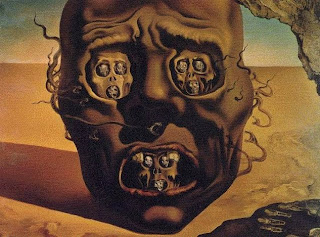
Another example can be seen in South Africa, which ended its apartheid regime less than two decades ago. While it is admirable how the country managed a transition to democracy through nonviolent means, the tension between different races in the country can still be strongly felt. High crime rates, among other indicators, reflect tensions of the present and violence of the past. However, as an observer, I find it quite notable that many seem obliged to over-emphasize patriotic bonds and paint a bright harmonious picture of multi-ethnic relations evading any deep examination of the issue.
Germany and South Africa are hardly the only two examples. Many complex issues of the sort exist across the globe where a racial conflict had recently risen. Can we look at this modern “burden” as a part of the healing process that will eventually lead to reconciliation? Is it that ugly scar that reminds you not to play with a knife again? The world is certainly shifting to a more politically and economically decentralized state away from the imperialist models of the past centuries. Many would argue that that is not the case culturally, but I seriously doubt that the masses would be enthusiastically flocking towards any blatantly pro-colonialist best-sellers hitting the book stands or box offices any time soon. At least we can relax that Kiplings of the world had their day and is now gone.
(Painting from Ohio State University Gallery)
Thursday, November 12, 2009
The Big Picture Isn't Always the Pretty One
Earlier this week, finance ministers gathered for another G20 meeting. And as the custom goes with similar summits, groups of protesters always gather outside the meeting headquarters to voice angry anti-institutional complaints regardless of their reasonability or feasibility. What these protestors and many other impassioned spectators watching from the comfort of their living rooms seem to misunderstand every time is that such financial and economic summits couldn't care less about you. Economic policies are all about the big picture. The fact that you might have recently lost your job is irrelevant. You’re a statistic. What matters is the overall wellbeing of a community over a period of time – usually a long one, which means that by then you will have either found another job, learned a new skill, or died.
The truth is world economy has witnessed dozens of crises and adjustment policies are always painful. There will always be a gap between countries depending on their development levels. But what adds insult to injury is that media focuses single-mindedly on the victims and neglects to mention the groups that actually do end up being better off. Just as there is a group of losers, there is a group of winners. But again, no place for individuals here.
Economics at times might seem too harsh and impersonal. The best thing to do in that case is shut the news channel and grab a feel-good self-gratifying flick.
Painting by Salvador Dali
Wednesday, October 7, 2009
Rude Awakening
“God loves you, which is why he chose you to be a Christian like your mom”. “Allah loves you, which is why he chose you to be a Muslim like your dad”. I grew up hearing those phrases, and always wondered “but how do you know?”. “Didn’t he just tell the other ‘non-believers’ the same thing?”. Of course I never dared to ask out loud.After many years, I see such expressions, in addition to others like “God gave me a sign to do so and so” or “Allah will choose what’s best for me”, as a mere manifestation of humankind’s egocentric nature, and its constant need to prove that “yes, the world does revolve around me”. This is also the likely source for the need to believe in an omniscient, omnipotent god who is vigilantly protecting you against all the evil and randomness out there.
It’s true that individuals can not thrive without the constant reassurance from those around them that they are smart, beautiful, unique, etc. And without the belief that we are taken care of by a supreme power, many would aimlessly float in a gloomy existentialist vacuum. But this becomes a serious issue when it ignites ideologies based on discrimination and condescension. There is no "Chosen People". For once, science and religion both agree that all humans come from the same source – of course they soon diverge when it comes to what that source is. Similarly, there is no "The One" destined to save humanity from hollow simulations of how an ideal life should be. Last thing I heard, Neo succumbed to a hefty job offer from Microsoft and is also starting his own line of trendy trench coats for the fall-winter 2009 season.
Sorry, but that's as good as it gets...
Painting by Rene Magritte
Monday, August 24, 2009
McFacts
Ok that’s it! I’m officially fed up with all the mosque-talk and mass emails ranting about our “duty” to boycott America, Denmark, or whichever nation happens to be the favorite “enemy of the umma” for the season. Before madrassa-educated sheikhs start meddling with the country’s affairs and its economic decisions, they need to understand a little bit about the dynamics of international markets.First of all, there is no longer such a thing as a purely “American product”. A typical hamburger sold at a McDonald’s store in Qatar, for example, is possibly made of Brazilian beef, Jordanian tomatoes, Egyptian wheat, and other imported ingredients sold to you by a Filipino worker at a venue managed by an Indian, and owned by a Qatari businessman. The brand is American alright, but the sandwich hardly is. And most of what you paid goes to the farmers, workers, and business owners who participated in the making of the sandwich, many of whom could very well be Muslims by the way. So boycotting that sandwich really means hurting them more than the brand itself.

Add to that, foreign franchises aren’t really as bad as many people think, and no it’s not the modern form of colonialism. Those annoyingly-identical stores actually help the economy of the host country by providing job opportunities and paying taxes to its government, which in turn is used to improve living standards. It is also within the corporate social responsibility plan of many of those companies to give back to the community and fill in the gaps left by the government.
At a time when smart countries are dying to attract more foreign investment and more international cooperation, it is ridiculous to call for an “independent Muslim industry”. It’s simply not feasible - not even theoretically.
So if you want to stop eating hamburgers do it out of health, aesthetic, or any other number of reasons. But please don’t think you’re fulfilling some kind of a religious duty and then come rubbing it in our faces!
Sunday, May 24, 2009
Kissing Hank's Ass
I stumbled upon this piece of “literature” a couple of years ago. Till today, this simple yet witty conversation between 3 people still amuses me. I have to warn you, though, if you are the kind of person who cringes at the very thought of upsetting "Hank", then do not read on. All others, enjoy!
-----------------------------------------
Kissing Hank's Ass
by Rev. James Huber
-----------------------------------------
This morning there was a knock at my door. When I answered the door I found a well groomed, nicely dressed couple. The man spoke first:
John: "Hi! I'm John, and this is Mary."
Mary: "Hi! We're here to invite you to come kiss Hank's ass with us."
Me: "Pardon me?! What are you talking about? Who's Hank, and why would I want to kiss His ass?"
John: "If you kiss Hank's ass, He'll give you a million dollars; and if you don't, He'll kick the shit out of you." ........read more
Subscribe to:
Posts (Atom)


